

Why Regular Dental Check-Ups Are Essential for Your Oral Health
Many people only visit a dentist when they experience pain, swelling, or a visible dental problem. Unfortunately, waiting until symptoms appear often means that the condition has already progressed and may require more complex treatment.
Regular dental check-ups are the foundation of preventive dentistry. These appointments allow dentists to identify potential issues before they become serious, helping patients maintain healthy teeth and gums while avoiding costly procedures.
At First Treatment Medical Center, we encourage patients of all ages to schedule routine dental examinations as part of their long-term healthcare strategy. Preventive dental care not only protects your smile but also contributes to your overall health and wellbeing.
Why Preventive Dentistry Matters
Preventive dentistry focuses on maintaining oral health and preventing dental diseases before they develop into major problems.
Many common dental conditions progress silently without causing noticeable symptoms during their early stages. Cavities, gum disease, and oral infections often begin long before patients become aware of them.
Routine dental visits allow dentists to detect these conditions early, making treatment simpler, less invasive, and more affordable.
According to the World Health Organization (WHO), oral diseases affect billions of people worldwide and can significantly impact quality of life when left untreated.
External Resource:
https://www.who.int/news-room/fact-sheets/detail/oral-health
What Happens During a Dental Check-Up?
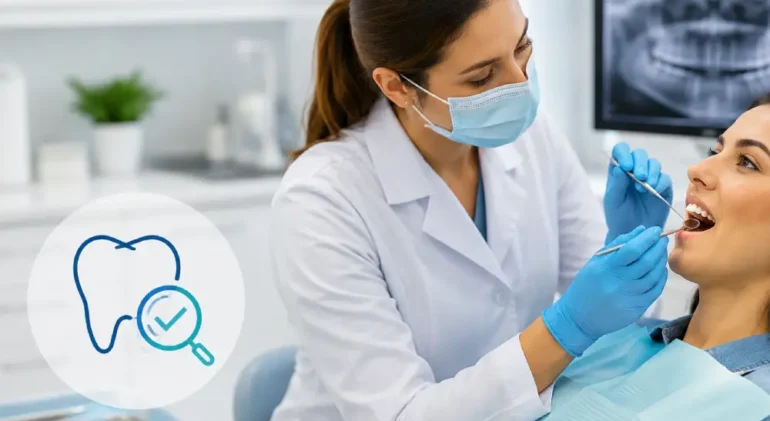
Many patients avoid dental visits because they are unsure what to expect. A routine dental examination is typically straightforward, comfortable, and focused on prevention.
A comprehensive dental check-up often includes:
Oral Examination
Your dentist will assess:
- Teeth and existing restorations
- Gum health
- Bite alignment
- Signs of tooth decay
- Oral lesions
- Jaw function
Professional Teeth Cleaning
Even individuals who brush and floss regularly can develop plaque and tartar buildup in hard-to-reach areas.
Professional cleaning helps remove:
- Plaque deposits
- Tartar accumulation
- Surface stains
- Bacteria contributing to gum disease
For patients interested in maintaining optimal oral hygiene, professional cleanings can be combined with our Teeth Cleaning & Polishing services.
Dental X-Rays When Needed
Dental imaging may be recommended to identify:
- Hidden cavities
- Bone loss
- Impacted teeth
- Root infections
- Wisdom tooth complications
Many dental issues are not visible during a standard visual examination, making diagnostic imaging an important tool for preventive care.
Cavities: Small Problems That Can Become Expensive
Tooth decay is one of the most common oral health problems worldwide.
When cavities are detected early, treatment is usually simple and involves a minor filling. However, when decay progresses deeper into the tooth, more extensive procedures may become necessary.
Early Stage Decay
Treatment often involves:
- Fluoride therapy
- Small composite fillings
- Preventive monitoring
Advanced Decay
Delayed treatment may require:
- Root Canal Treatment
- Dental Crowns
- Tooth Extraction
- Dental Implant Restoration
This is one reason routine Dental Check-Up appointments are so important. Early detection can prevent minor issues from becoming major procedures.
Gum Disease Often Develops Without Symptoms
Many patients are surprised to learn they have gum disease because the condition frequently develops painlessly.
Early warning signs include:
- Bleeding gums
- Persistent bad breath
- Gum redness
- Gum swelling
- Tooth sensitivity
Without treatment, gum disease may progress to periodontitis, a severe condition that can lead to tooth loss and jawbone deterioration.
The Stages of Gum Disease
Gingivitis
The earliest and most treatable stage.
Symptoms include:
- Mild inflammation
- Bleeding during brushing
- Red gums
Periodontitis
An advanced infection affecting supporting structures around teeth.
Potential consequences include:
- Bone loss
- Tooth mobility
- Tooth loss
Regular Gum Treatment appointments can help prevent progression and preserve long-term oral health.
External Resource:
https://www.mouthhealthy.org
Dental Health and Overall Health Are Connected
Modern research increasingly shows that oral health is closely linked to general health.
Poor oral hygiene has been associated with:
- Diabetes complications
- Cardiovascular disease
- Respiratory infections
- Pregnancy complications
Inflammation and bacteria originating in the mouth can affect other parts of the body when left untreated.
This is why preventive dental care should be considered an essential component of overall healthcare rather than a separate concern.
Patients with chronic health conditions may benefit from coordinating dental care with regular General Medical Consultation services.
Children’s Dental Visits Are Equally Important
Many parents assume dental care becomes important only after permanent teeth appear. In reality, preventive care should begin much earlier.
Regular Pediatric Dentistry visits help:
- Monitor dental development
- Prevent early childhood cavities
- Teach proper oral hygiene habits
- Identify orthodontic concerns early
Healthy habits established during childhood often continue into adulthood, significantly reducing future dental problems.
Early Detection of Orthodontic Problems
Routine dental examinations allow dentists to identify bite and alignment issues before they become more complex.
Early intervention may help address:
- Crowding
- Overbites
- Underbites
- Crossbites
- Jaw alignment concerns
Patients requiring specialized care may be referred for Orthodontic Consultation to determine whether Braces or Clear Aligners are appropriate.
The Financial Benefits of Routine Dental Care
One of the biggest misconceptions about preventive dentistry is that regular visits are expensive.
In reality, preventive care typically costs significantly less than restorative treatment.
Consider the difference:
The Financial Benefits of Routine Dental Care
One of the biggest misconceptions about preventive dentistry is that regular visits are expensive.
In reality, preventive care typically costs significantly less than restorative treatment.
Consider the difference:
Preventive Care | Advanced Treatment |
|---|---|
Dental Cleaning | Root Canal Treatment |
Routine Check-Up | Crown Placement |
Fluoride Therapy | Tooth Extraction |
Preventive Monitoring | Dental Implant Restoration |
Small investments in preventive care often prevent thousands of dirhams in future treatment expenses.
How Often Should You Schedule a Dental Check-Up?
Most healthy adults should visit a dentist every six months.
However, some individuals may benefit from more frequent visits, including:
- Smokers
- Diabetic patients
- Patients with gum disease
- Orthodontic patients
- Individuals with frequent cavities
Your dentist can recommend an examination schedule based on your specific needs and risk factors.
Tips for Maintaining Oral Health Between Visits
Routine check-ups work best when combined with consistent home care.
Brush Twice Daily
Use fluoride toothpaste and brush for at least two minutes.
Floss Every Day
Flossing removes plaque from areas that toothbrushes cannot reach.
Maintain a Balanced Diet
Limiting sugary foods and beverages reduces cavity risk.
Stay Hydrated
Adequate water intake supports saliva production, which helps protect teeth naturally.
Avoid Tobacco Products
Smoking significantly increases the risk of gum disease and oral cancer.
Protect Your Smile Through Preventive Care
Regular dental check-ups are one of the simplest and most effective ways to maintain healthy teeth and gums. Early detection, professional cleaning, and preventive guidance can help you avoid discomfort, preserve your natural teeth, and reduce future treatment costs.
If it has been more than six months since your last dental examination, now is the ideal time to schedule a visit and take a proactive approach to your oral health.